

By Xtra MKT - Last updated July 17 2026
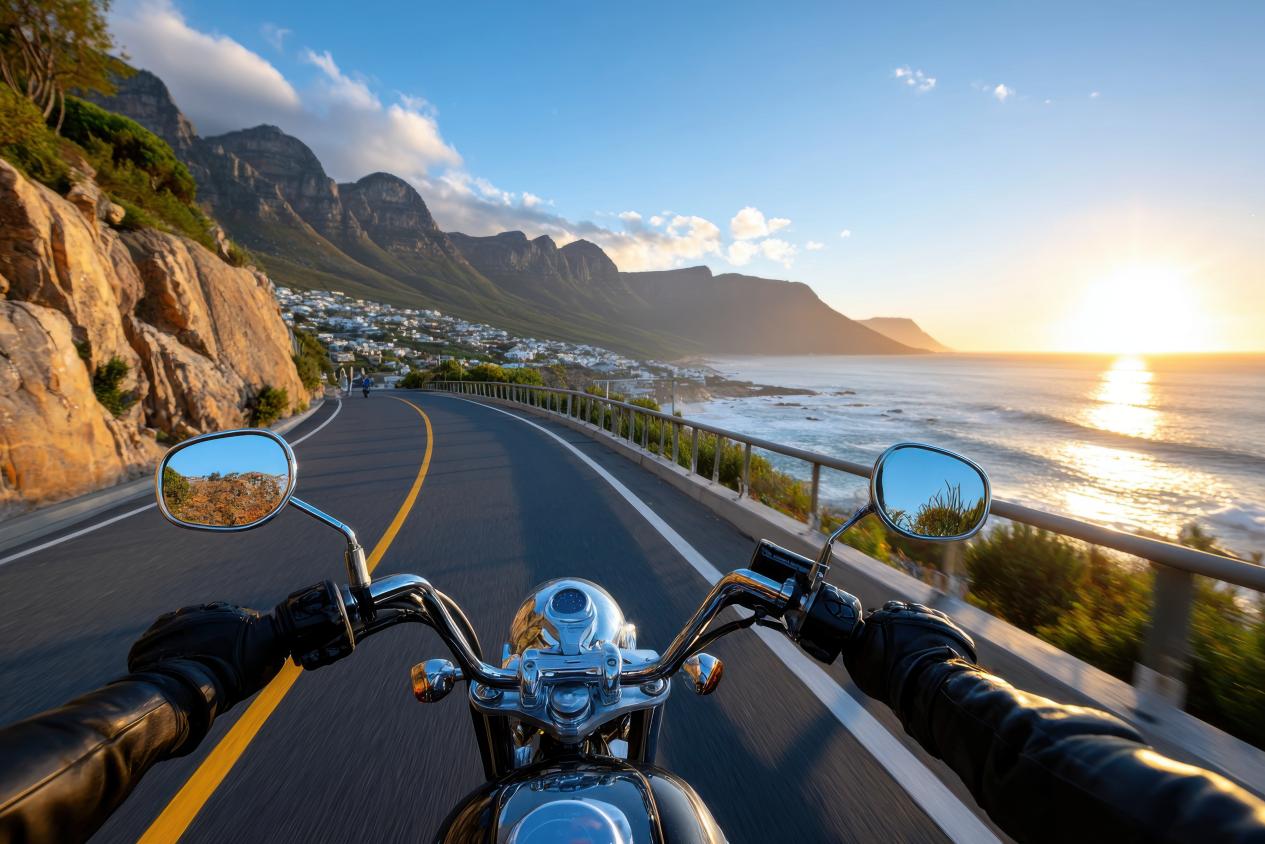
How we tested: our team rode with the camera mounted on the helmet, handlebars, and chest, day and night.
Most action cameras fail riders the same way: too bulky on a helmet, hard to work with gloves, and useless once the sun sets. A 360 camera for motorcycle riding - sometimes called a motovlog camera or a motorcycle helmet camera - solves the framing problem: it captures everything around you, so you pick the angle later. But only if it is compact enough to live on your helmet and sharp enough for a night ride.
This guide covers what to look for, how to mount a 360 camera on a motorcycle or helmet, the best settings for motovlogging, and where the compact, budget-friendly Xtra 360 fits in.
What to Look for in a Motorcycle 360 Camera
Once you are moving, these are what matter in a motovlog camera:
- Compact and low-profile - a tall camera catches wind and creeps into your sightline. Smaller stays out of the way.
- Glove-friendly mounting - quick-release or magnetic bases let you switch positions fast.
- One-tap recording - start a shot without looking away from the road.
- Low-light performance - city streets and tunnels are where cheap cameras fall apart.
- Stabilization - rough roads should not mean shaky footage.
- Waterproofing - weather turns fast; your camera should not quit.
- Storage and battery options - long rides need room and backup power.
These matter far more than a bigger megapixel number.
Why the Xtra 360 Works for Riders
Compact and Low-Profile - Stays Out of Your View
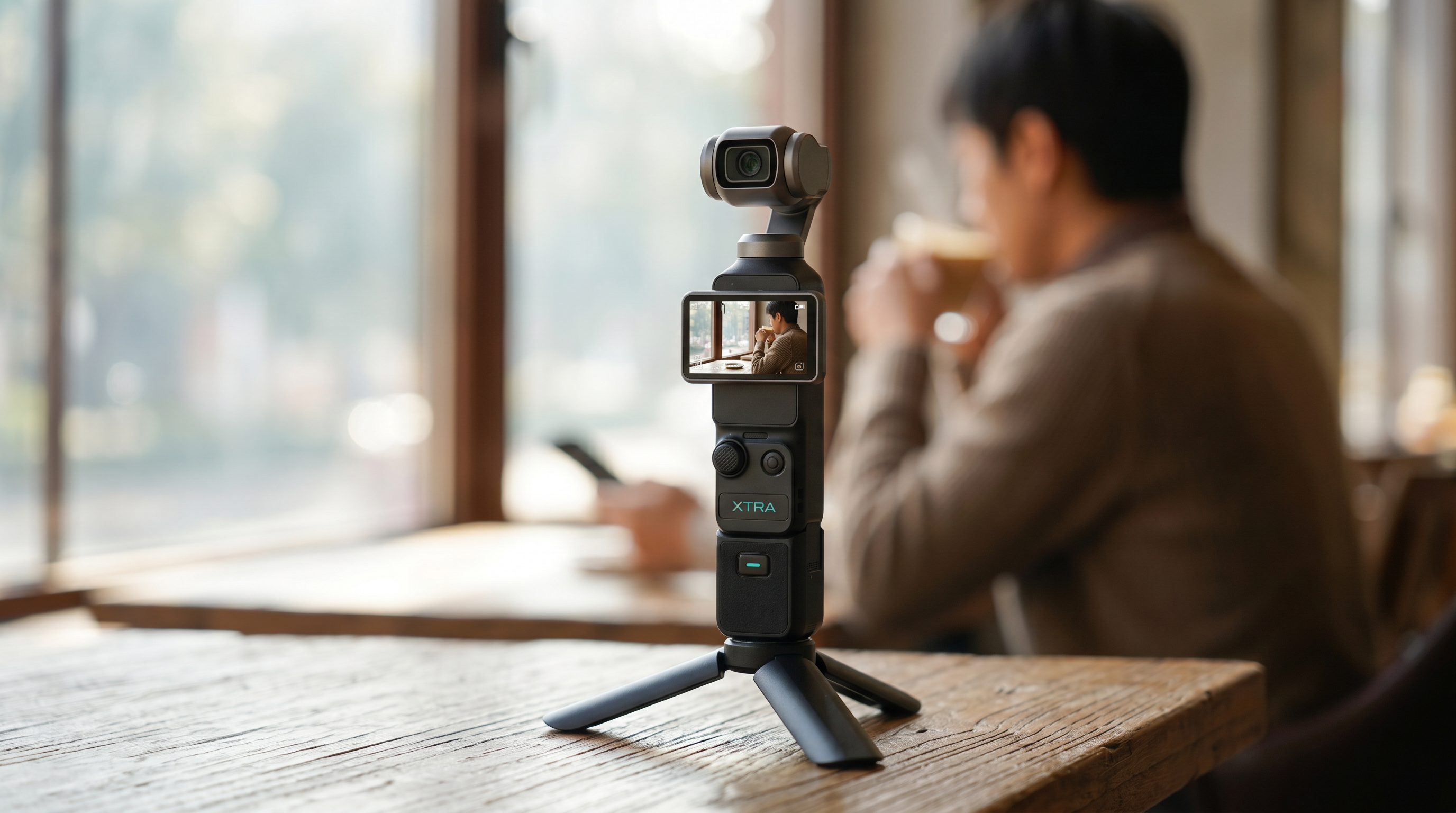
Mounted on a helmet, the Xtra 360 does not sit tall. It hugs the helmet profile, so it is less likely to catch wind or creep into your line of sight. For a helmet camera, how low it sits matters more than a few grams of weight - and at 183g, it is comfortable on long days too.

Quick-Release Magnetic Base
Riders move the camera constantly - helmet, handlebars, chest, tank. The quick-release magnetic base snaps on and off in seconds, even with gloves on. No screws, no dropped parts at a gas stop.
One-Tap Recording
One press and you are rolling. No menus, no distraction - eyes stay on the road.
Clear Night Rides
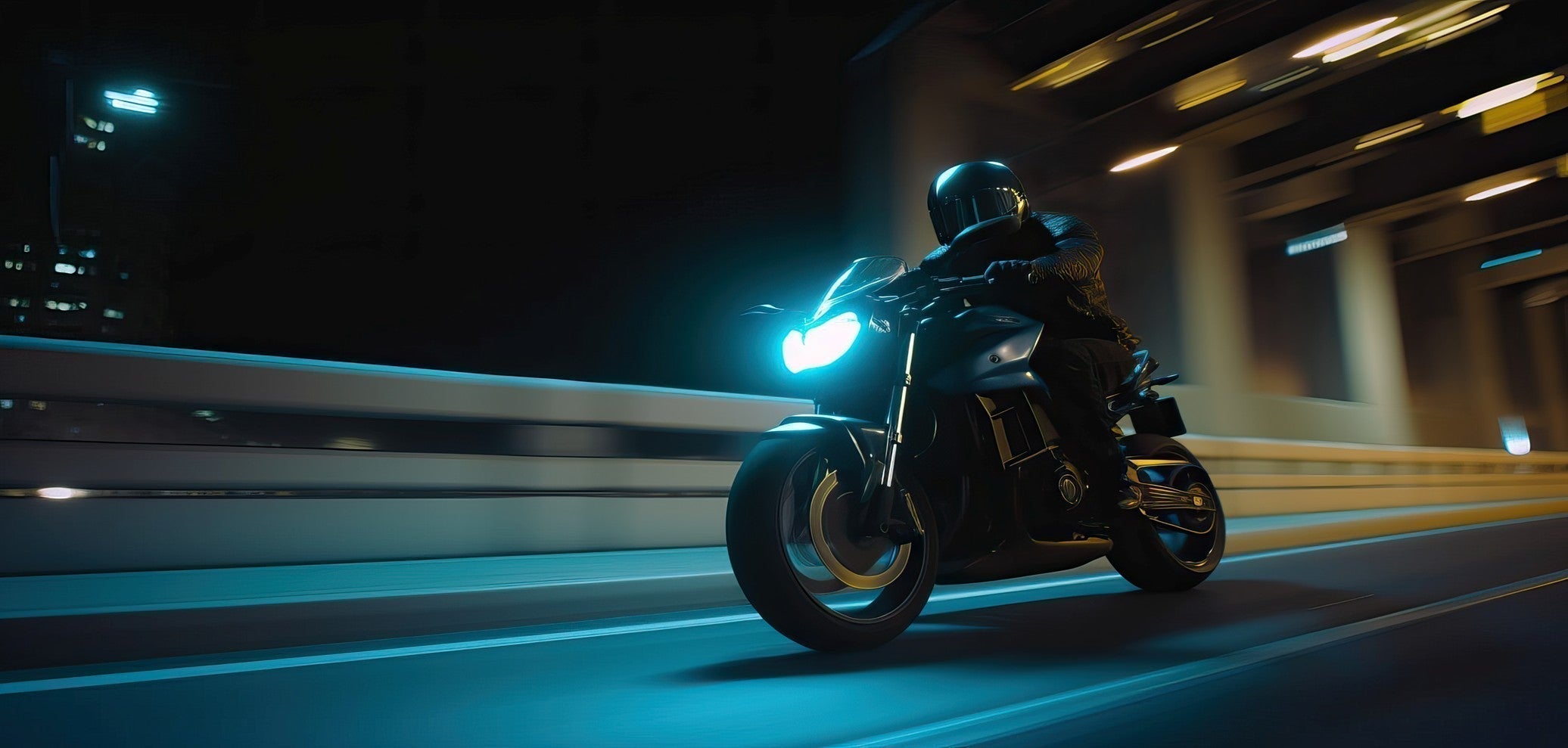
Dusk, tunnels, neon streets - where most 360 cameras struggle. The Xtra 360 low-light mode shoots 4K/30fps, backed by dual 1/1.1-inch sensors and 10-bit D-Log M color for more detail after dark. Night footage that is still worth posting.

Sharp 8K Capture
For daytime and scenery, the Xtra 360 shoots 8K 360 video with a 1-inch-equivalent sensor and 100MP stills - enough resolution to reframe your POV afterward and still export crisp video.
Smooth and Rain-Ready
Built-in stabilization handles rough pavement; the waterproof body handles a surprise shower.
Ready for Longer Rides
One charge lasts about 180 minutes - enough for most rides. It is also compatible with Action-style swappable batteries, so you can hot-swap and keep going. With 105GB built-in storage plus microSD, you will not run out of room.
How to Mount a 360 Camera on a Motorcycle or Helmet
Where you mount your motorcycle 360 camera changes the whole look of the shot. Here are the most useful positions:
| Mount position | View / effect | Best for |
|---|---|---|
| Helmet top | Highest POV, looks where you look | Scenery and immersive first-person |
| Helmet chin or side | Lower, natural eye-line | POV that stays out of your sightline |
| Handlebar or mirror | Cockpit: hands, controls, road ahead | A riding-the-machine feel |
| Chest or tank | You in the frame with the road | Rider-in-shot storytelling |
| Backpack or shoulder | Third-person look via invisible stick | Follow-cam style footage |
Tip: mount on an extension arm and the software erases the pole, giving you a floating, drone-style shot without a drone.
Best Settings for Motovlogging (Day and Night)
- Daytime and scenery: shoot the highest 360 resolution (up to 8K/50fps), then reframe your POV in editing.
- Night and city riding: switch to the low-light mode (4K/30fps) and mount low and forward so streetlights and headlights fill the frame.
- Rough roads: keep stabilization on; if your camera has a horizon-lock option, use it so the horizon stays level through corners.
- Color: use 10-bit D-Log M if you plan to color-grade; stick with standard color for quick posting.
- Power and storage: pair the 105GB onboard storage with a fast microSD card, and carry a spare Action-compatible battery for long rides.
Good to Know Before Your First Ride
The Xtra 360 runs about 180 minutes on a charge - plenty for most rides. Planning an all-day tour? Grab a spare Action-compatible battery and hot-swap at your rest stops. Plan your power the way you plan your fuel.
Motorcycle 360 Camera FAQ
Is a 360 camera good for motorcycle riding?
Yes - often better than a standard action cam. It captures everything at once, so you can reframe any angle later and never miss what is behind you. Just pick one that is compact enough for a helmet and strong in low light.
How do I mount a 360 camera on my helmet or motorcycle?
Helmet top for POV, chin or side to stay out of your sightline, handlebars for the cockpit, chest or tank to put yourself in frame. The Xtra 360 quick-release magnetic base makes switching between them fast, even with gloves on.
What are the best settings for night riding?
Use the dedicated low-light mode (4K/30fps on the Xtra 360), keep stabilization on, and mount low and forward so streetlights fill the frame.
Is it legal to mount a camera on my motorcycle helmet?
It depends on where you ride - helmet-mounting rules vary by state and country. Many riders use helmet or bike mounts, but check your local regulations and make sure the mount does not compromise your helmet safety.
What size memory card do I need?
With 105GB of built-in storage, you may not need a card for short rides. For long trips or high-resolution 360 recording, a high-speed microSD (V30 or faster, 128-256GB) is a safe choice.
How do I reduce wind noise?
Position the camera away from the direct wind blast, use any in-app wind reduction, and add a foam cover or external mic if your setup supports one. Many motovloggers also add a voiceover or music track in editing.
How do I edit 360 motorcycle footage?
Use the companion app to reframe your shot (keyframe the angle you want), apply the invisible-stick effect, then export a standard flat video for YouTube, Instagram, or TikTok.
Is the Xtra 360 waterproof enough for rain?
Yes - a rain shower will not stop your footage.
How long does the battery last?
About 180 minutes per charge. For longer rides, carry a spare and hot-swap at a rest stop.
The Bottom Line
For riding, two things matter most in a 360 camera for motorcycle use: one that stays out of your view on the helmet, and one that holds up after dark. That is what the Xtra 360 is built for - at a more accessible price than flagship 360 cameras. Add a spare battery and a quick-release mount, and you have a motovlogging rig that stays out of your way.

Ready to ride with it? Order the Xtra 360 here: https://store.xtra-us.com/products/xtra-360
Xtra 360 is our own camera - this is an honest look at where it fits for riders.

Leave a comment
This site is protected by hCaptcha and the hCaptcha Privacy Policy and Terms of Service apply.