

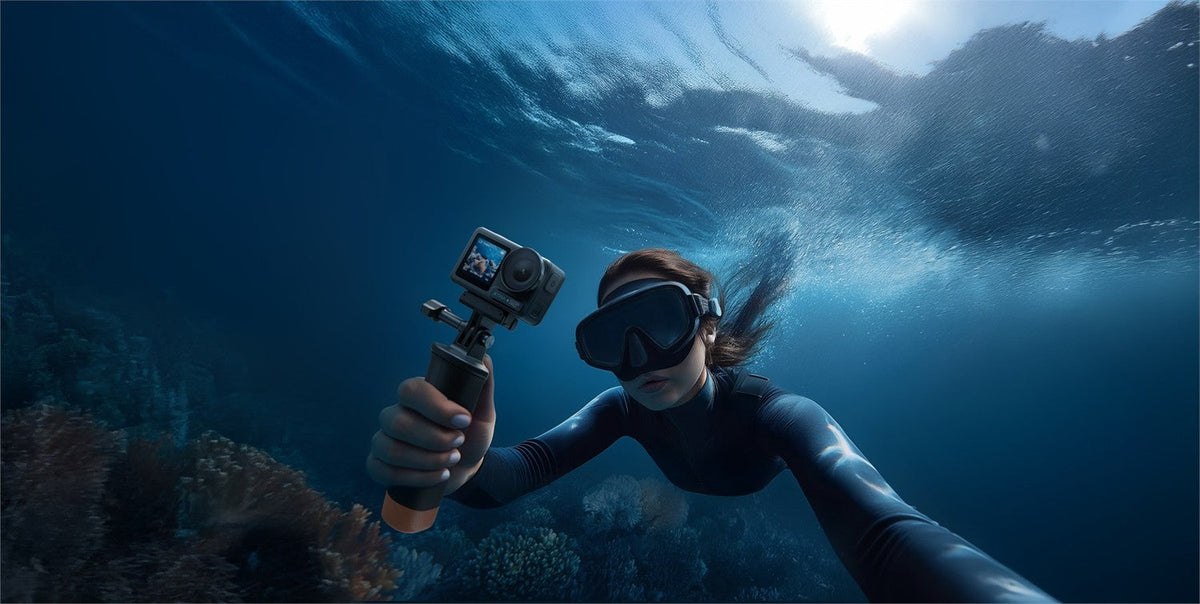
Snorkeling is easier when your camera can enter the water as-is. The best action camera for snorkeling should combine a meaningful case-free depth rating with secure seals, clear underwater video, stable footage, and a mounting setup you will not lose.
This guide explains what matters before you buy, when a housing is still the safer choice, and where Xtra Edge Pro fits.
Editor’s note: XTRA Edge Pro is an XTRA product. This guide explains where it fits based on its official specifications and stated waterproof-use conditions.
What Matters Most in an Action Camera for Snorkeling
A deep number on the packaging is only the starting point. For real snorkeling, the camera must stay sealed, handle changing light below the surface, smooth out body movement, and remain attached when waves or fins pull your attention elsewhere.
- Case-free waterproof depth. Check the camera body's native rating, not the deeper rating that applies only with an accessory housing.
- Seals and use conditions. Confirm which doors must be closed and whether long submersion, strong flow, or water impact requires a case.
- Underwater image quality. Prioritize sensor performance, usable 4K, dynamic range, and color flexibility over resolution alone.
- Stabilization. Swimming, surface chop, and handheld movement can make otherwise sharp footage hard to watch.
- Secure handling. Plan for a floating grip or tether and check whether those water accessories are included in the full kit price.
- Battery, storage, and aftercare. Set up the camera before entering the water, carry enough capacity, and plan to rinse and dry it afterward.
Start With Case-Free Waterproof Depth, Not Case Depth
Many action cameras advertise a deep underwater rating that is possible only after adding a separate housing. If your goal is casual snorkeling without a waterproof case, compare the native rating of the camera body. A housing-free setup is smaller, faster to use, and less likely to fog between the camera and an extra shell.
Xtra Edge Pro is rated waterproof to 65 feet (20 meters) without a case when the battery compartment cover and USB-C port cover are firmly closed. That provides substantial depth headroom for typical surface snorkeling, but the rating is a limit under specified conditions - not a target depth or a promise for every ocean environment.
Xtra recommends using a waterproof case for prolonged underwater shooting or environments with strong water flow or pressure. The camera is not recommended for hot springs, corrosive liquids, extreme water conditions, or unknown liquids.
Underwater Image Quality Is More Than Resolution
Water absorbs light and color quickly. Cloud cover, depth, suspended particles, and the angle of the sun can change a scene within seconds, so dependable sensor performance matters more than chasing the largest resolution number.
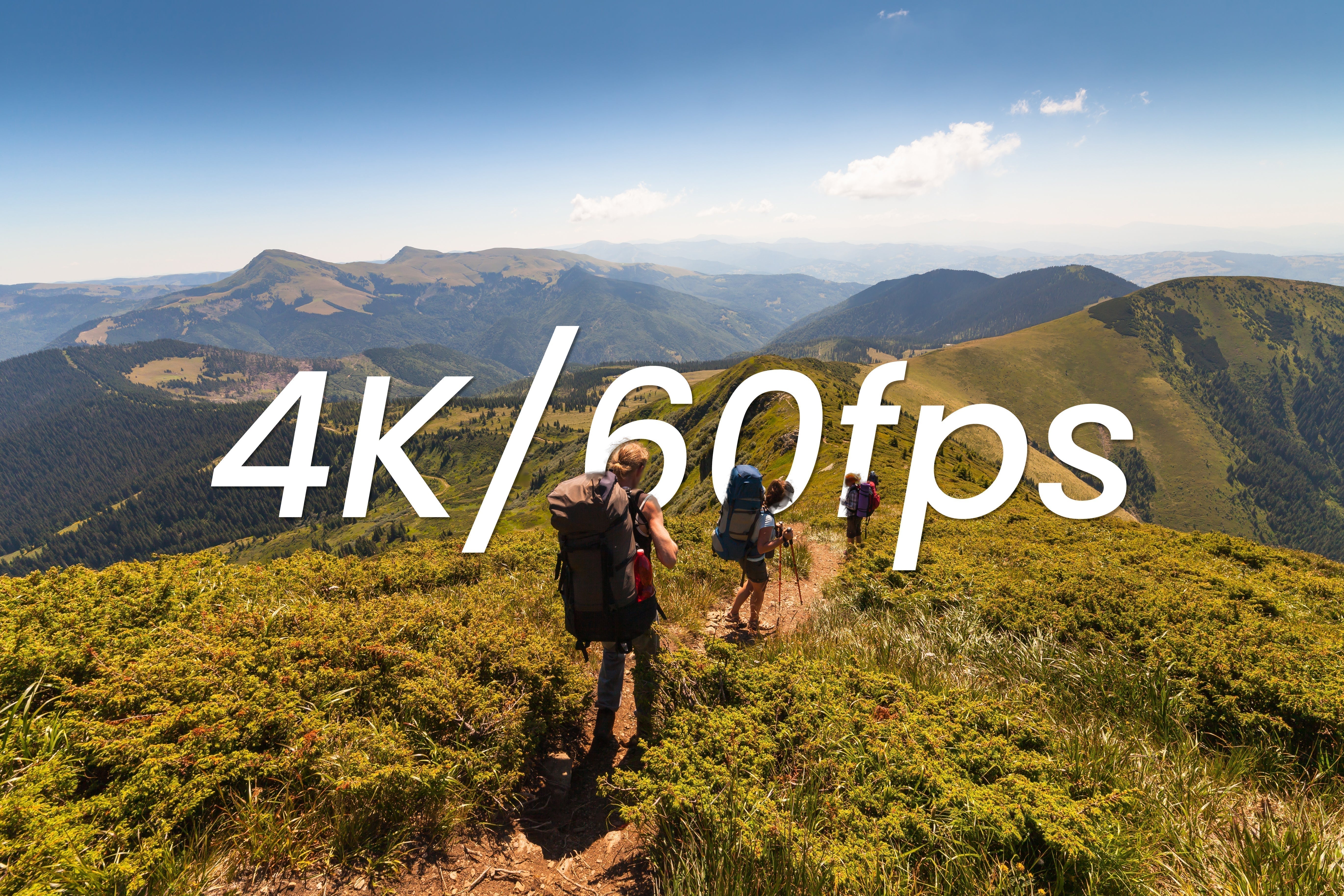
Xtra Edge Pro uses a 1/1.3-inch CMOS sensor and records up to 4K/60fps. The larger sensor is relevant when light drops below the surface, while 4K/60fps gives you smoother motion for fish, fins, and short swimming passes. For cleaner results, stay reasonably close to your subject, avoid fast camera swings, keep the lens clean, and review a short test clip before the main session.
For editors, 10-bit recording with X-Log can provide more flexibility when adjusting color and contrast. It does not replace good light or close subject distance, and underwater color results should be supported with original test footage before making comparative claims.

Official XTRA Edge Pro product visual; this is not an original underwater sample frame or independent test.
Stabilization and Framing in Moving Water
Even calm snorkeling creates constant motion from breathing, kicking, surface chop, and one-handed shooting. Electronic stabilization helps, but technique still matters: hold the camera with two hands when possible, move slowly, and let the subject enter the frame instead of chasing it.
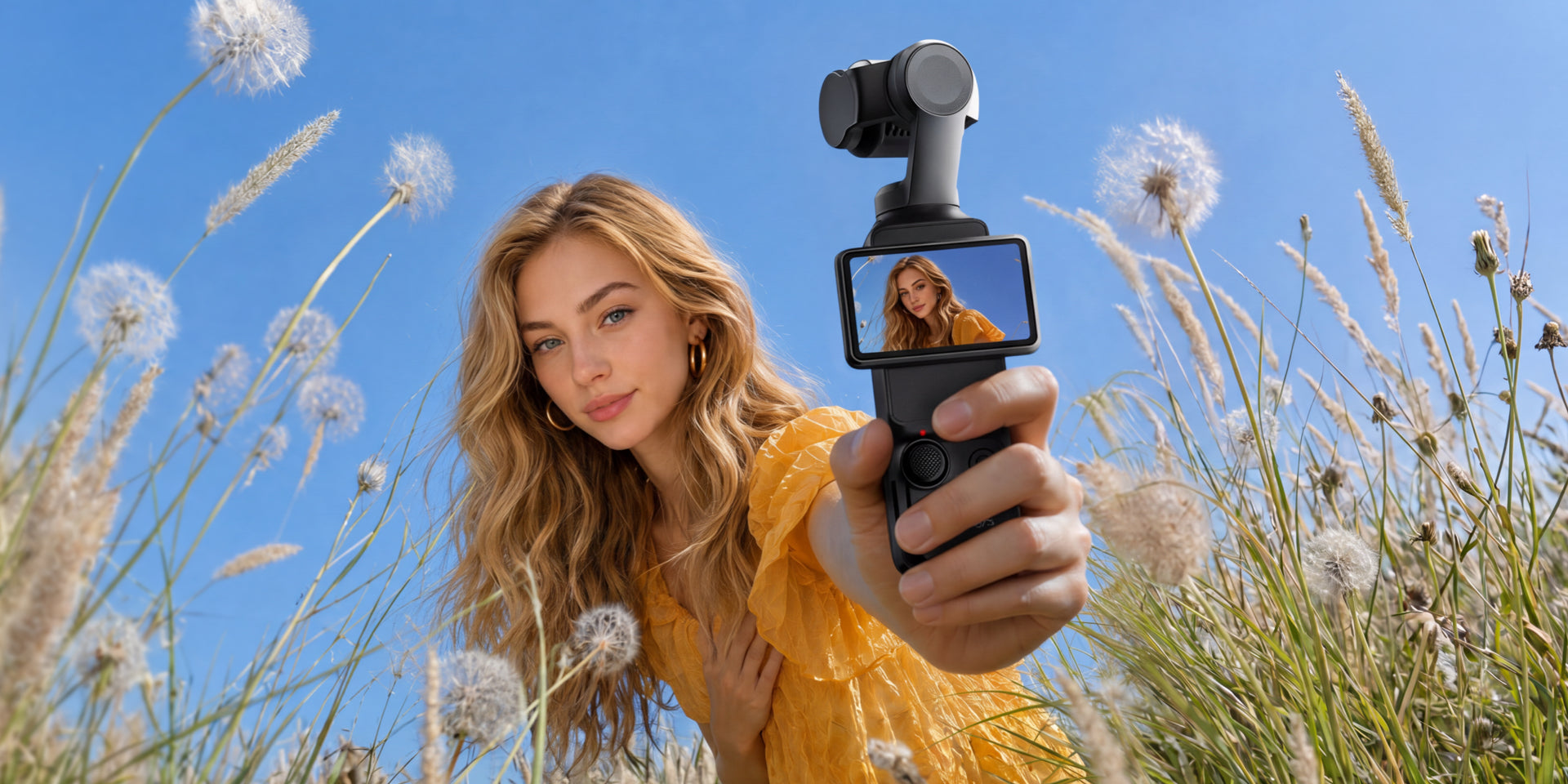
Xtra Edge Pro includes MotionMaster stabilization, with TiltGuard available for 1080p, 2.7K, and 4K video at up to 60fps in 16:9. Its dual OLED touchscreens help with framing and settings before you enter the water. Because wet touchscreens can be less convenient, select the recording mode and confirm storage and battery status while the camera and your hands are dry.
Use a Floating Grip or Tether
A waterproof camera can still sink. For snorkeling, a bright floating handle, wrist tether, or both may be more important than another recording mode. Check the connection before each entry and avoid holding the camera only by a loose adapter.
The standard Xtra Edge Pro package includes mounting hardware and a protective frame, but the listed package contents do not include a floating handle or wrist tether. Add the water-specific accessory you need when calculating the complete kit cost.

Mounting example only: use a verified floating grip or secure tether for open-water snorkeling.
When a Waterproof Housing Is Still the Better Choice
Choosing a camera that works without a case does not mean a housing is never useful. Add one when the environment creates more pressure, duration, impact, or uncertainty than the camera body's native rating was designed to handle.
- You plan a long underwater session rather than short snorkeling clips.
- The location has strong current, surf, repeated wave impact, or high-speed water entry.
- You may approach the 65-foot (20-meter) native limit or move into freediving or scuba depths.
- A door, seal, lens cover, or screen is damaged, dirty, or difficult to close correctly.
- You want additional protection from rocks, equipment contact, or repeated travel handling.
Is Xtra Edge Pro the Right Snorkeling Camera for You?
The Xtra Edge Pro product page listed the camera at $269 when this draft was prepared. For snorkeling buyers, its strongest value story is the combination of a 65-foot (20-meter) case-free waterproof rating, a 1/1.3-inch sensor, 4K/60fps video, supported stabilization modes, and dual OLED screens in one compact camera.
If budget is a primary part of your decision, read our guide to choosing the best action camera under $300 for outdoor use.
A Strong Fit If You...
- Want a camera rated well beyond typical surface-snorkeling depth without adding a housing for normal use.
- Prioritize a larger sensor and smooth 4K/60fps footage in changing underwater light.
- Want stabilization and simple front/rear framing for travel, snorkeling, and other outdoor activities.
- Are comfortable checking the covers, adding a float or tether, and following freshwater rinse-and-dry care.
Consider Another Setup If You...
- Plan extended underwater recording, strong surf entries, high-pressure conditions, freediving, or scuba.
- Need a dedicated underwater lens, macro system, external light, or color-filter ecosystem.
- Prefer the extra physical protection of a housing even for shallow water.
- Cannot reliably inspect, clean, close, and maintain the camera's sealing surfaces before each trip.
A 60-Second Waterproof Checklist Before You Enter
- Inspect the camera. Check the lens cover, screens, battery door, USB-C cover, and sealing surfaces for damage.
- Remove sand and debris. Even a hair or grain of sand near a seal can prevent a clean closure.
- Close both covers firmly. Confirm the battery compartment and USB-C port covers are completely secured before contact with water.
- Set up while dry. Choose the video mode, stabilization, field of view, and clip length; confirm battery and storage.
- Attach flotation and retention. Use a floating handle or wrist tether and test the connection before entering.
- Start shallow. Record a brief near-surface test before committing the camera to the full session.
After Snorkeling: Rinse, Dry, Then Open
Salt and sand can collect around doors, lens edges, buttons, and microphone openings. A common care practice across major waterproof-camera manufacturers is to rinse the closed camera with clean fresh water after saltwater use, dry it with a soft cloth, and allow it to air-dry completely before opening any cover.
Do not open the battery or USB-C cover while water remains on the camera. Inspect the sealing surfaces again before the next use, and follow Xtra's current care instructions if they differ from general guidance.
Frequently Asked Questions
Can I Use Xtra Edge Pro for Snorkeling Without a Case?
Yes, within its official use conditions. Xtra Edge Pro is rated to 65 feet (20 meters) without a case when the battery and USB-C covers are firmly closed. Xtra recommends a waterproof case for prolonged underwater shooting or strong water flow or pressure.
Does a 20-Meter Waterproof Rating Make the Camera a Scuba Camera?
Not automatically. Snorkeling, freediving, and scuba create different depth, duration, pressure, and equipment demands. Use a suitable waterproof housing for deeper, longer, or higher-pressure underwater work.
What Video Setting Works Best for Snorkeling?
4K/60fps is a practical starting point for smooth movement when light is good. Use a supported stabilization mode, keep clips short, and test the camera near the surface. If the water is dark or visibility is poor, slower movement and closer subject distance usually matter more than higher frame rates.
Do I Need a Floating Handle?
It is strongly recommended. Waterproof does not mean buoyant, and the standard Xtra Edge Pro package does not list a floating handle or wrist tether. Add a secure flotation or retention accessory before open-water use.
Can I Open the Battery Door Right After Snorkeling?
Wait until the camera is clean and completely dry. Opening a cover while water, salt, or sand remains around the door can introduce moisture or debris into the camera.
The Bottom Line
The best action camera for snorkeling without a waterproof case should make the experience simpler without hiding the limits of case-free use. Prioritize native waterproof depth, clean seals, underwater image quality, stable video, secure flotation, and responsible aftercare.
For recreational snorkelers who stay within the official conditions, Xtra Edge Pro offers a relevant combination of 65-foot waterproofing without a case, a 1/1.3-inch sensor, 4K/60fps video, stabilization, and dual screens. For long, deep, or high-pressure sessions, add a proper housing.
Ready to Build Your Snorkeling Camera Kit?
Review current pricing, availability, included accessories, and full specifications: https://store.xtra-us.com/products/xtra-edge-pro
Price and product guidance checked July 29, 2026. Pricing, availability, and instructions may change.

Leave a comment
This site is protected by hCaptcha and the hCaptcha Privacy Policy and Terms of Service apply.