

If you’ve been creating content exclusively from your smartphone in 2026, you might be limiting your potential.
Not because your phone camera is bad—modern iPhones and Samsung flagships shoot incredible 4K video. The problem is everything else: the heavy battery drain, thermal throttling under heavy editing, compromised low-light performance, and the fact that your only stabilization tool is digital cropping.
The Quick Answer: Creators are ditching bulky smartphone gimbals for dedicated pocket gimbal cameras. Devices like the XTRA MUSE offer true 3-axis mechanical stabilization, a massive 1-inch sensor for low light, and they free up your phone for actual use—starting at $329.
Here is a breakdown of why this shift is happening, and whether upgrading to a pocket gimbal makes sense for your workflow.
🎬 The Smartphone Gimbal Problem (And Why It’s Becoming Obsolete)
For the past few years, smartphone gimbals were the default tool for mobile creators. They solved one problem—stabilization—but created three new ones.
Problem #1: Your Phone Is Held Hostage
When your phone is mounted to a gimbal, it stops being a phone; it becomes a heavy camera monitor. You cannot:
- Check notifications or reply to urgent messages while recording.
- Pivot to a quick phone call.
- Easily use your native apps for on-the-fly editing.
For solo creators working long shoot days, this friction is real. You either sacrifice connectivity or have to pack a second device.
Problem #2: "Stabilization" Is Often Just Software Cropping
Smartphone gimbals do balance the device, but your phone still heavily relies on Electronic Image Stabilization (EIS) to hide micro-jitters.
This software literally crops your image, reducing your effective resolution and field of view. Dedicated pocket gimbal cameras use true mechanical 3-axis stabilization on the hardware level—meaning zero digital cropping and full sensor utilization.
Problem #3: The Low-Light Ceiling
Your phone’s tiny sensor (usually 1/1.3-inch or smaller) has a hard physical ceiling. No amount of gimbal smoothness fixes the fact that in a dimly lit restaurant or a sunset scene, your phone will:
- Introduce heavy grain and noise.
- Use aggressive AI over-sharpening (which looks unnatural).
- Drop frame rates to manage processing.
✨ The Solution: Why Creators Are Switching to XTRA MUSE
At the $300 price point, the XTRA MUSE is hands-down the best pocket camera investment you can make to solve all the issues above. Here is what you actually get when you upgrade:
1️⃣ Professional Image Quality at a Consumer Price
- 1-Inch CMOS Sensor: It collects 5–6x more light than a standard smartphone. This means visible improvements in nighttime vlogs, indoor content, and true optical bokeh (background blur) that doesn't rely on fake "Portrait Mode" software.
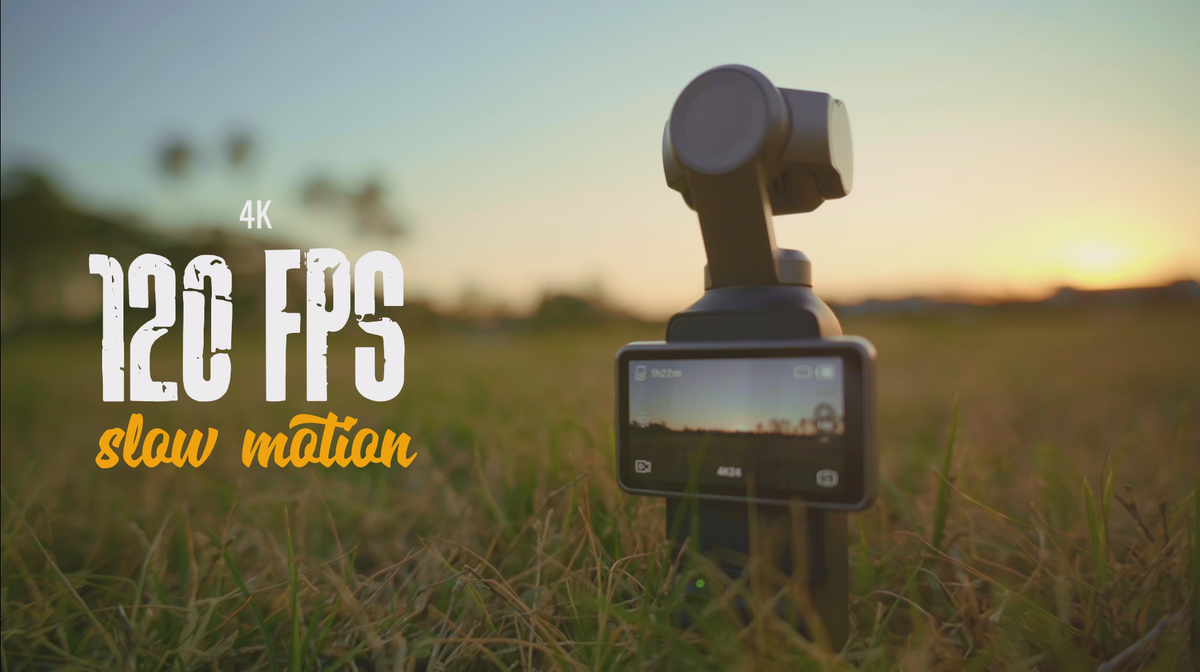
- 4K/120fps + 10-Bit X-Log: Want cinematic slow-motion of your pet jumping or a beach sunset? 120fps delivers it flawlessly. Meanwhile, the 10-Bit X-Log and 12.8 stops of dynamic range ensure your highlights don't blow out and your shadows retain detail.
2️⃣ Built By Creators, For Creators
- 3-Axis Mechanical Stabilization: Walk, run, or film from a moving car. The gimbal physically absorbs the shock. Plus, with Smart Tracking and Focus Lock, the camera automatically follows your face, acting as your personal invisible cameraman.
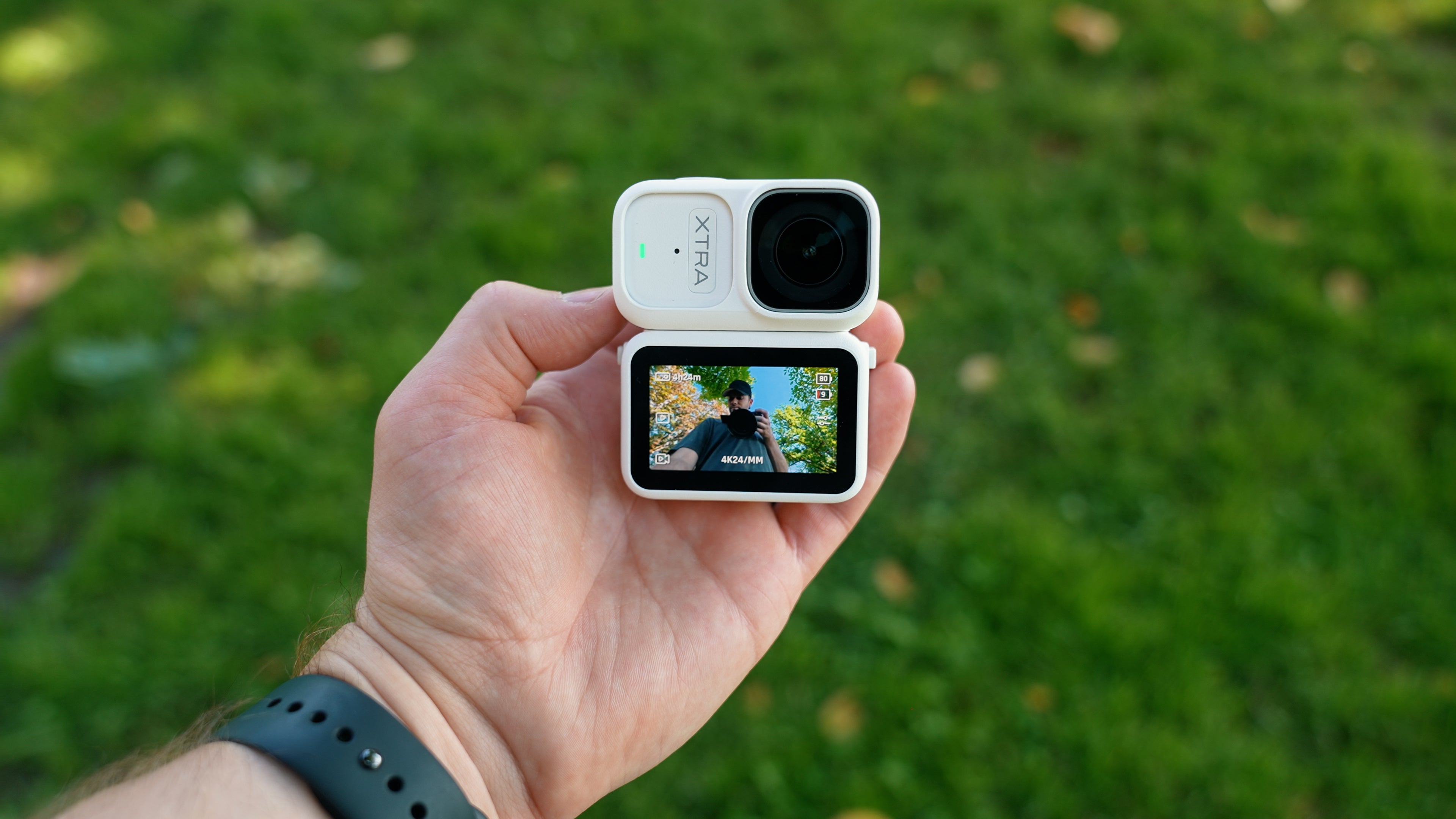
- Native Vertical Shooting: Need to post to TikTok, Reels, or Shorts? With a simple "Flip-to-Start," the 2-inch OLED screen rotates, allowing you to shoot direct-to-social vertical formats without having to re-crop landscape videos in post.
- Universal Ecosystem: Unlike brands that lock you in, the MUSE features a standard 1/4" tripod thread. It works with your existing mounts and pairs wirelessly via Bluetooth with third-party audio gear like the DJI Mic series.
3️⃣ Unbeatable Value: The "Extra Choice" Advantage
When comparing pocket gimbals in 2026, the DJI Osmo Pocket 3 is a heavy hitter at $429. But for creators who want premium quality without paying the brand tax, the XTRA MUSE is the ultimate alternative.
By saving $100 compared to the competition, you’re still getting a 1-inch sensor, true stabilization, and you even gain 4K/120fps slow-motion capabilities.
How to Buy Smart in 2026:
- For the Traveler: The Base XTRA MUSE at $329 easily slips into your pocket (weighing just 180g) and is ready in seconds.
- For the Solo Vlogger (Highly Recommended): Grab the XTRA MUSE + Mini Tripod Bundle for $339 or the XTRA MUSE + a 128GB MicroSD card for $349. This allows you to instantly transition from a walking vlog to a hands-free desktop setup, making it the perfect all-in-one rig.
It is time to stop draining your phone battery and compromising your footage. Upgrade your workflow today.
👉 Explore the XTRA MUSE and Up Your Content Game Here.

Leave a comment
This site is protected by hCaptcha and the hCaptcha Privacy Policy and Terms of Service apply.