

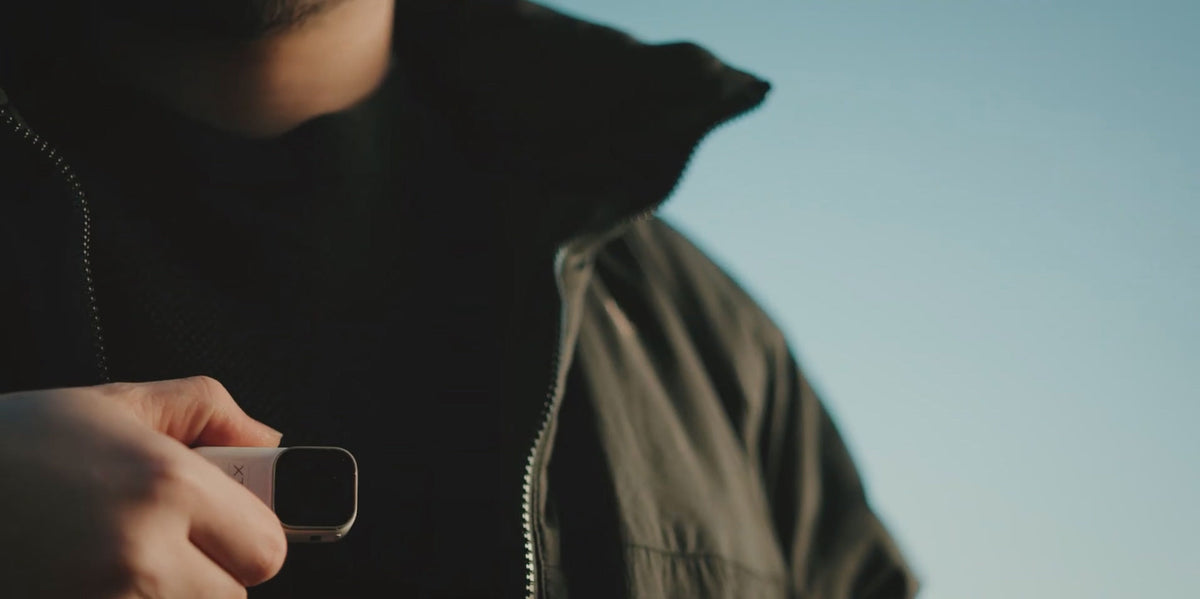
A POV camera is designed to capture the scene from your point of view rather than from across the room.
That sounds simple, but good first-person video depends on more than attaching a small camera to your body.
The camera needs to be light enough to wear, stable enough for movement, wide enough to show the environment, and easy enough to start recording before the moment disappears.
For travel, hiking, cycling, pets, family activities, and everyday life, the best POV camera is often the one that lets you stay involved in the experience instead of constantly stopping to film it.
That is also the design idea behind Xtra ATTO, a 54g wearable 4K camera built around hands-free first-person capture. Xtra currently positions ATTO as a wearable 4K POV camera, with magnetic mounting, 4K/60fps recording, a 143° field of view, stabilization, and built-in storage.
What Is a POV Camera?
POV stands for point of view.
Instead of showing the creator from the outside, POV footage lets viewers experience more of what the person behind the camera is actually seeing and doing.
That can mean:
- Walking through a new city
- Hiking a trail
- Riding a bike
- Cooking with both hands
- Playing with a pet
- Fishing
- Setting up camp
- Spending time with family
A phone can record all of those moments.
The difference is that a wearable POV camera can keep recording while your hands remain part of the activity.
1. Weight Matters More Than It Does With a Handheld Camera
A POV camera often sits on your chest, clothing, hat, or gear.
That means weight affects more than portability.
A heavier camera can pull on clothing, move during activity, or simply make you more aware that you are wearing it.
ATTO's camera body weighs 54g, allowing it to be worn separately from its Vision Dock.
For first-person filming, that separation matters.
You can keep the camera small while using the Dock when you need preview, control, charging, or file-management functions.
When comparing POV cameras, always check the camera-only weight, not just the weight of the entire kit.
2. Mounting Determines What Your POV Actually Looks Like
“Wearable” does not automatically mean good POV.
Where the camera sits changes the entire story.
Chest POV
Useful when your hands are part of the action—cooking, pet interaction, crafts, fishing, or everyday activities.
Hat POV
Creates a higher perspective that feels closer to where you are looking.
Fixed POV
Useful when you want to place the camera somewhere unusual and move into the scene yourself.
ATTO includes a Magnetic Lanyard, Magnetic Hat Clip, and Dual-Direction Magnetic Ball-Joint Adapter Mount, giving users several ways to build those perspectives.
For a POV camera, mounts are not simply accessories.
They decide where the viewer experiences the moment from.
3. A Wide View Helps the Audience Understand the Scene
First-person footage needs context.
If the frame is too narrow, viewers may see your hands or the path ahead but lose the environment around them.
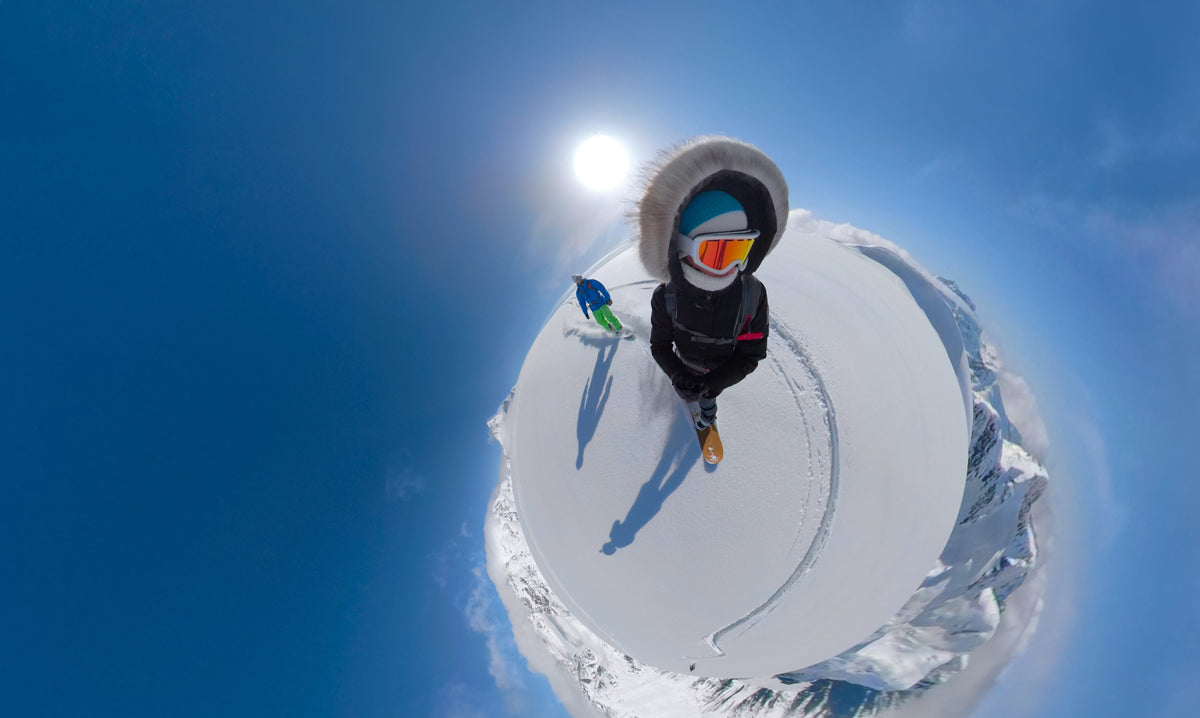
ATTO uses a 143° ultra-wide field of view, designed to capture more of the scene around the wearer.
This can be useful for:
- Hiking
- Travel
- Cycling
- Outdoor activities
- Pet interactions
- Hands-on demonstrations
The widest setting is not always the best setting, however.
ATTO's recent firmware updates also added a Nature wide FOV, giving users another option when they want a wide perspective with less visible distortion.
4. Stabilization Is Essential for First-Person Video
POV footage moves because the person wearing the camera moves.
Walking, turning, cycling, climbing stairs, or simply reaching for something can introduce shake.
That makes stabilization one of the most important features in a wearable POV camera.
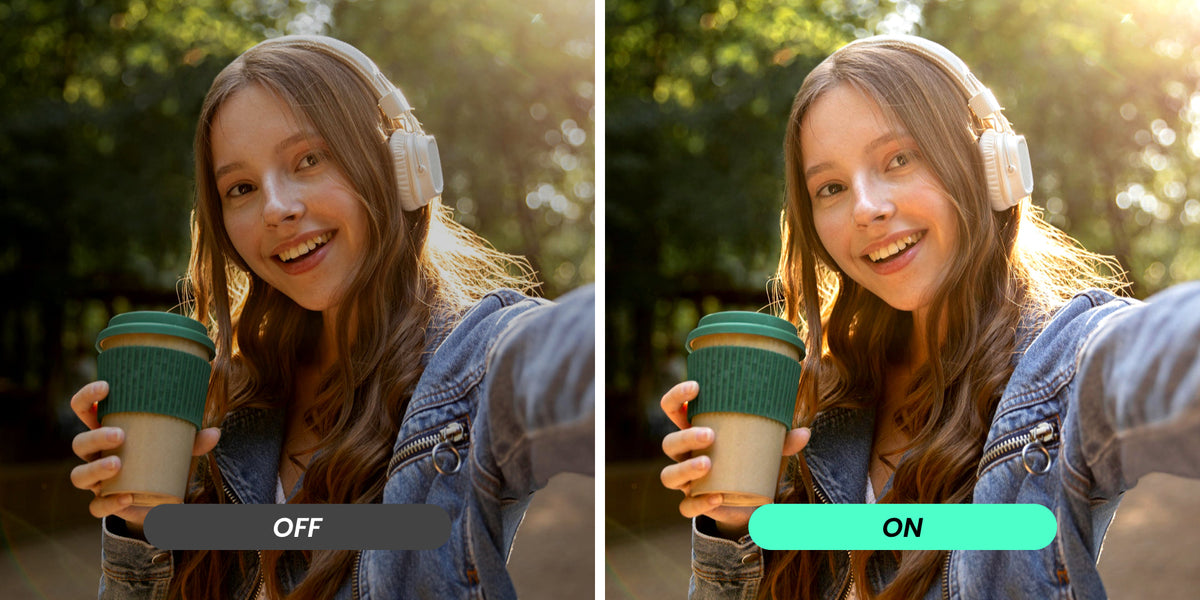
ATTO combines MotionMaster stabilization with TiltGuard horizon leveling, helping manage movement and keep footage more visually stable.
Its newer Horizon Correction mode also adds correction within approximately ±15° for another level-horizon option.
As with any camera, the real test is footage from the type of movement you actually plan to shoot.
A walking test is more useful for hikers than a static specification table.
5. Pre-Recording Helps With Moments You Cannot Repeat
Some POV moments happen before you have time to press record.
A pet suddenly reacts.
Wildlife appears.
A fish strikes.
Something unexpected happens during a trip.
That is where pre-recording becomes useful.
Xtra ATTO supports up to five minutes of pre-recording, allowing footage from before the record command to be preserved when the feature is active.
For spontaneous first-person content, this can matter more than another headline resolution number.
The camera is not only capturing what you planned.
It can help preserve what happened before you were ready.
6. Battery and Storage Matter for Longer POV Shooting
POV cameras encourage frequent recording.
A few short clips during a hike can quickly become dozens across an entire day.
ATTO includes approximately 107GB of usable built-in storage, so recording does not depend on inserting a memory card first.
The standalone camera is rated for up to 90 minutes, while total published runtime can reach up to 220 minutes with the Vision Dock under Xtra's specified test conditions.
Actual runtime may vary with recording settings, temperature, and usage.
For travel or outdoor POV, these workflow details can matter just as much as image resolution.
Who Is a POV Camera Best For?
A wearable POV camera makes the most sense when the activity itself needs your attention.
That includes:
Travelers who want to document a trip without holding a phone all day.
Hikers and backpackers who want first-person trail footage while keeping their hands available.
Cyclists who want an immersive view of the ride.
Pet owners who want to capture natural interactions from closer or lower perspectives.
Families who want to record everyday moments without turning every interaction into a filming session.
Vloggers who want POV clips to complement traditional talking-to-camera footage.
Is Xtra ATTO a Good POV Camera?
ATTO is particularly suited to users who want lightweight, hands-free first-person recording rather than a traditional camera that needs to be held throughout the experience.
Its combination of a 54g wearable body, 4K/60fps recording, 143° FOV, magnetic mounting, stabilization, five-minute pre-recording, built-in storage, and extended battery support is built around that use case.
That does not mean a wearable POV camera should replace every camera you own.
For carefully framed interviews, long talking-head videos, or interchangeable-lens work, another camera may still make more sense.
But when the question is:
“How can I record what I am doing without stopping to hold the camera?”
that is exactly where the POV-camera format becomes valuable.
Explore cameras and kits
Explore XTRA ATTO. Explore wearable cameras for hands-free filming.

Leave a comment
This site is protected by hCaptcha and the hCaptcha Privacy Policy and Terms of Service apply.