

The Pocket Gimbal Camera Showdown of 2026
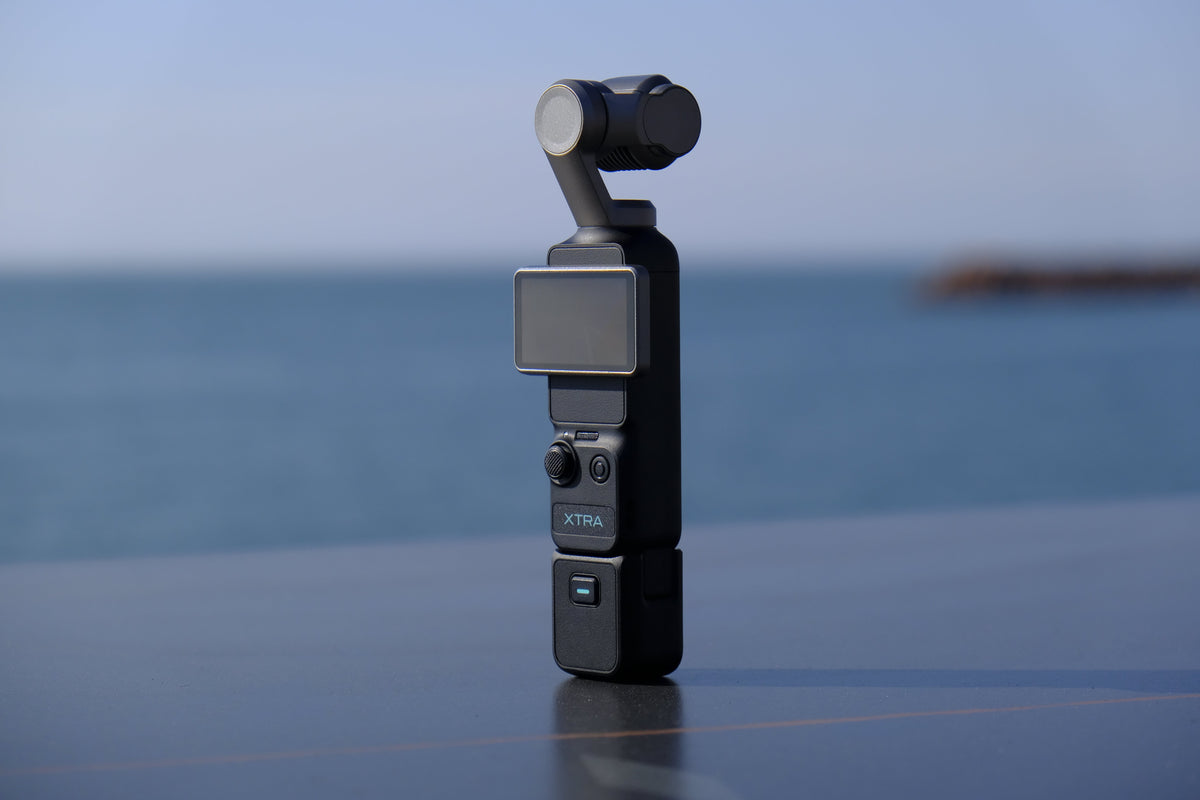
A pocket gimbal camera combines a camera and a motorized stabilizer in one handheld device. XTRA Muse and DJI Osmo Pocket 3 fit that description. Insta360 Flow 2 Pro belongs to a different category: it is a smartphone gimbal, so you need a compatible phone to capture footage.
This guide compares the setups rather than treating a phone accessory as a standalone camera. It is published by XTRA and is based on published specifications, not a side-by-side laboratory test. If you already want a dedicated camera, compare XTRA pocket gimbal camera kits to see the available Muse configurations.
Quick Specs Comparison
| Feature | XTRA Muse | DJI Osmo Pocket 3 | Insta360 Flow 2 Pro |
|---|---|---|---|
| Setup | Standalone pocket gimbal camera | Standalone pocket gimbal camera | Smartphone gimbal; phone required |
| Sensor | 1-inch CMOS | 1-inch CMOS | Uses the connected phone's camera |
| Stabilization | 3-axis mechanical gimbal | 3-axis mechanical gimbal | 3-axis stabilization for a compatible phone |
| Video | Up to 4K/60fps normal video; 4K/120fps slow motion | Up to 4K/60fps normal video; 4K/120fps slow motion | Depends on the phone, app and recording mode |
| Log recording | 10-bit X-Log in supported modes | 10-bit D-Log M in supported modes | Depends on the phone and app |
| Subject tracking | Master Follow | ActiveTrack 6.0 | Phone and app compatibility determines available features |
| Portrait recording | Supported; check portrait-mode resolution | Supported; check portrait-mode resolution | Depends on phone setup and app |
Image Quality: Compare the Camera, Not Just the Gimbal
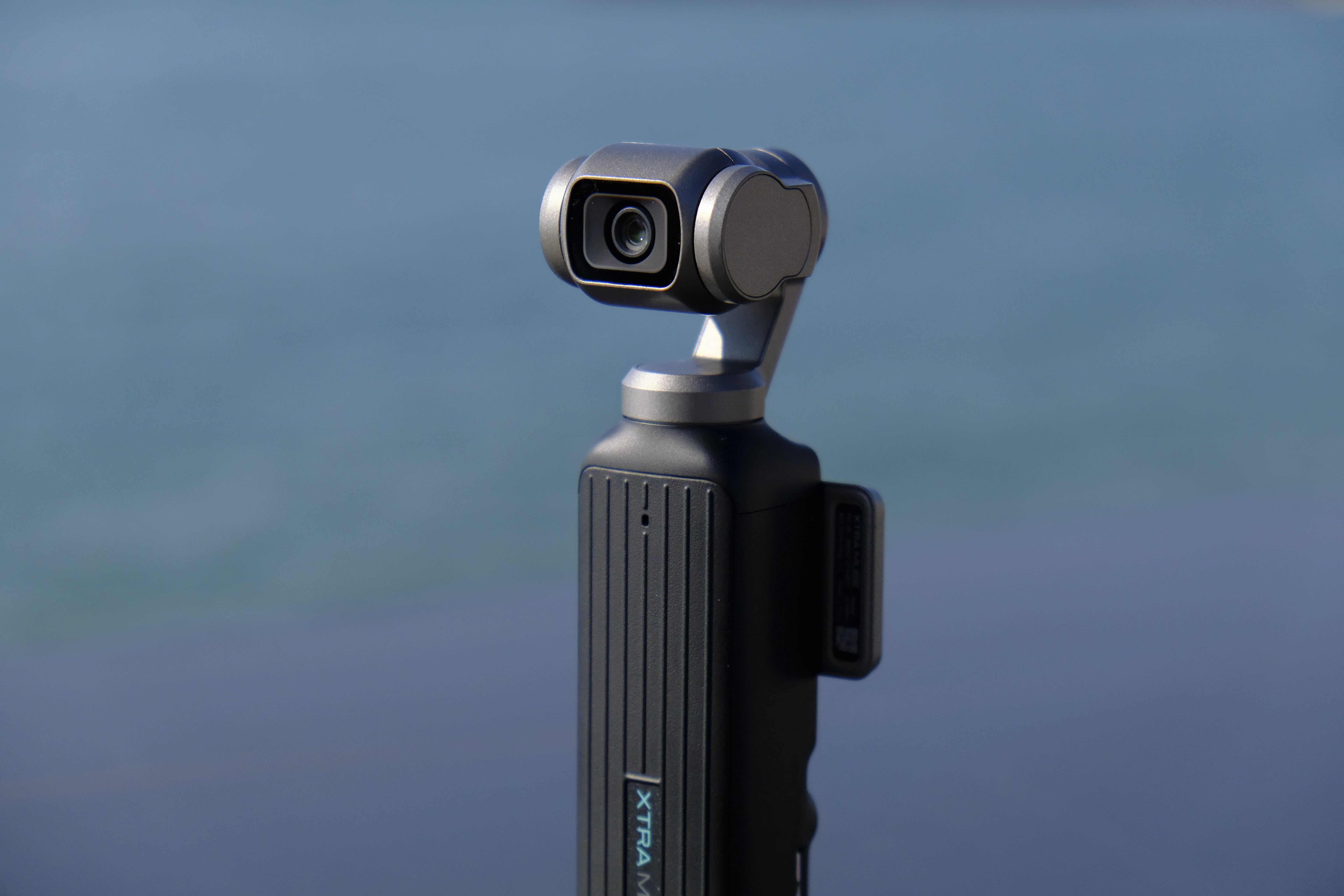
Muse and Pocket 3 both have a 1-inch CMOS sensor, but that specification alone does not establish identical image quality. Exposure, processing, lens characteristics and recording mode also matter. Flow 2 Pro does not have a recording sensor of its own: image quality comes from the phone you mount on it. Compare sample footage recorded in similar lighting before deciding which setup suits you.
Stabilization: Match the Setup to Your Movement
All three setups use mechanical stabilization, but they carry different cameras. A dedicated pocket gimbal camera keeps the lens, screen and stabilizer together. A phone gimbal lets you keep using your phone's camera apps, but requires mounting and compatibility checks. Neither configuration removes every walking bounce or replaces careful handling. For water exposure and rough mounting conditions, consider an appropriately rated action camera instead; Muse is not waterproof.
Smart Features: Different Strengths
Muse's Master Follow and Pocket 3's ActiveTrack 6.0 support solo filming by keeping a subject in frame. For a smartphone gimbal, check whether tracking works with your phone and the app you actually use. Do not assume every tracking feature is available in every recording mode.
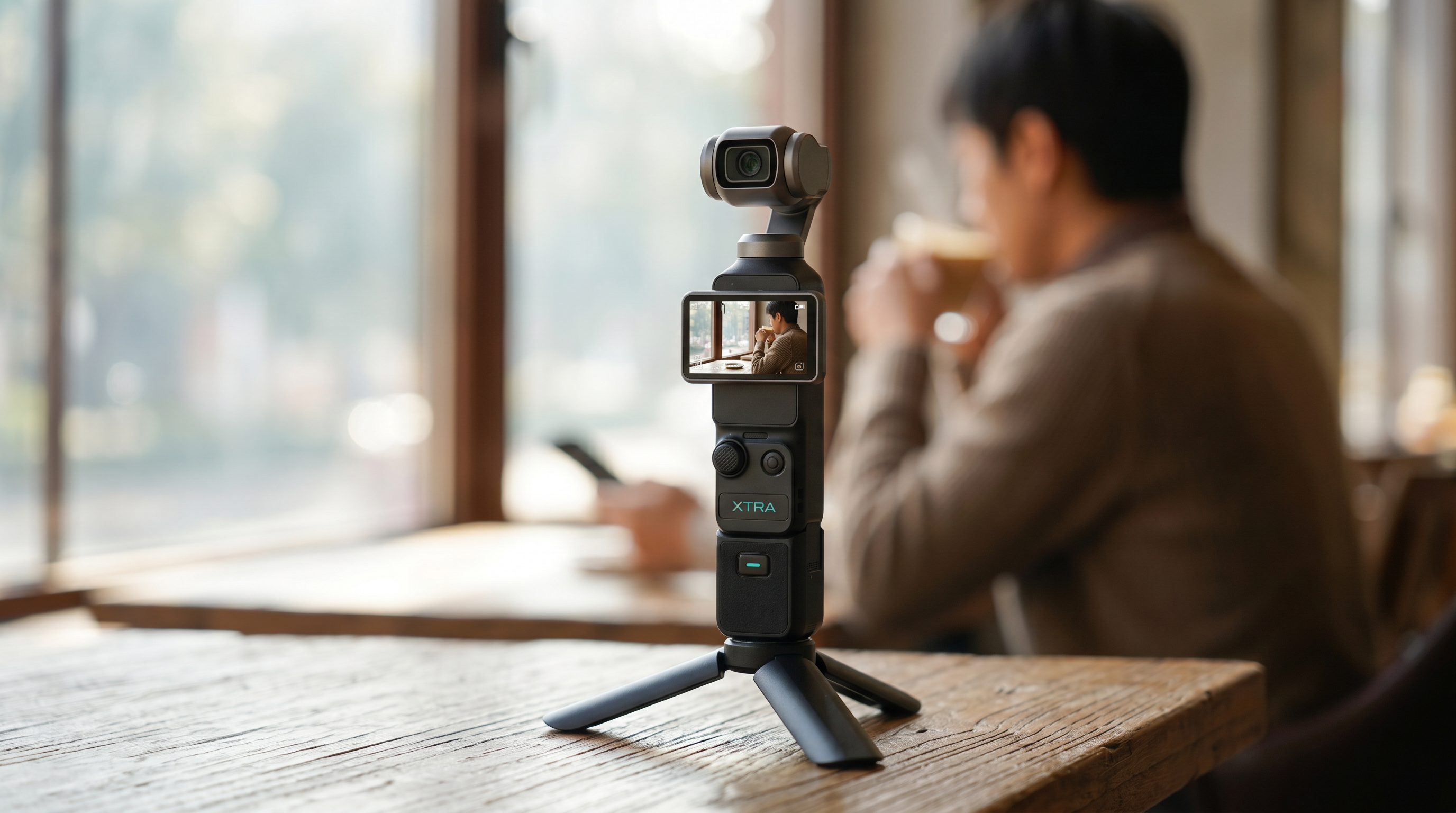
Muse supports horizontal and vertical recording. By default, its screen orientation controls the recording orientation; settings also allow Landscape, Portrait or Auto-Rotation. Orientation cannot be changed mid-clip. Pocket 3 also supports portrait recording, so vertical video is not an exclusive Muse feature.
Battery Life & Portability
With a dedicated camera, you carry and charge a separate recording device. With a smartphone gimbal, you need to consider both the phone battery and the gimbal battery, plus the space taken by the assembled setup. Compare runtime under equivalent resolution, frame rate, screen and wireless settings rather than assuming published maximums mean a full day of filming.
Price & Value: Compare the Complete Kit
For Muse, compare the camera-only option, Mini Tripod Combo and MicroSD Combo on the XTRA Muse product page. The camera is the same across these kits; the included accessories differ. Check current pricing and availability before ordering. A smartphone gimbal's listed price does not include a phone, so it is not directly comparable with the price of a standalone camera.
Choose a dedicated camera if you want a separate filming device. Choose a phone gimbal if you prefer your existing phone and compatible apps. For a closer look at the two dedicated options, read our XTRA Muse vs DJI Pocket 3 comparison.
Related Guides
- Pocket gimbal camera kits and buying guide
- How to choose a vlogging camera for beginners: budget, stabilization, sound and your first filming setup.
Specifications reviewed September 29, 2026. Sources: XTRA Muse specifications, DJI Osmo Pocket 3 specifications, and Insta360 Flow 2 Pro product information. Features depend on recording mode and device compatibility.

Leave a comment
This site is protected by hCaptcha and the hCaptcha Privacy Policy and Terms of Service apply.