


A wearable POV camera can change the way a video feels simply by changing where the camera sits.
Mount it on your chest, and viewers see your hands working inside the frame.
Move it higher to a hat, and the footage feels closer to where you are looking.
Place it low or somewhere fixed, and the perspective itself can become the most interesting part of the shot.
There is no single “best” POV angle.
The right choice depends on what you want the viewer to experience.
Here is how to choose between chest POV, hat POV, and fixed or low-angle POV.
1. Chest POV: Best When Your Hands Are Part of the Story
Chest POV is one of the most useful positions for hands-free filming because it naturally includes your arms, hands, and whatever you are interacting with.
That makes it especially useful for:
- Cooking
- Pet interaction
- Fishing
- DIY and crafts
- Gear setup
- Family activities
- Outdoor tasks
Imagine giving your dog a treat while both hands stay in the interaction, tying fishing gear, preparing food at camp, or building something on a workbench.
A handheld phone can record those activities too—but usually one hand becomes the camera hand.
A chest-mounted POV camera lets the filming happen while both hands stay in the activity.
When chest POV works best
Choose chest POV when:
What your hands are doing is an important part of the story.
It gives viewers the feeling of being inside the activity rather than watching it from across the room.
One thing to watch
Chest POV sits lower than your eyes.
That means it may not always show exactly what you are looking at, especially when the subject is farther away.
For walking or scenic footage, a higher POV may feel more natural.
2. Hat POV: Best When You Want Viewers to See Where You Look
A hat-mounted POV sits higher and closer to eye level.
That makes it a strong option when the environment in front of you matters more than your hands.
Typical use cases include:
- Hiking
- Walking tours
- Travel
- Cycling
- Outdoor exploration
- Events
- First-person demonstrations
When hiking, for example, hat POV can show the trail ahead, changing terrain, and scenery in a way that feels closer to the wearer's natural line of sight.
For travel, it can capture the feeling of moving through a market, street, museum, or outdoor destination without holding a camera in front of your face.
When hat POV works best
Choose hat POV when:
Where you are looking is the story.
It works particularly well when you want viewers to follow your movement through an environment.
One thing to watch
Your head moves more than you may realize.
Looking left, right, up, and down changes the framing quickly, so stabilization and intentional head movement matter.
The camera and mount should also remain secure and comfortable for the activity.
3. Fixed or Low POV: Best When the Perspective Is the Story
Not every POV shot needs to literally match a person's eyesight.
Sometimes the most interesting shot comes from putting the camera somewhere a phone would be awkward to hold.
Think:
- Floor-level pet footage
- A dog running toward the camera
- A close-up nose or paw
- RC models passing the lens
- Low-angle sports footage
- Cooking from counter level
- Art or craft setups
- A fixed view inside a camping setup
This is where a small wearable camera can become more than something you wear.
It becomes a placeable POV camera.
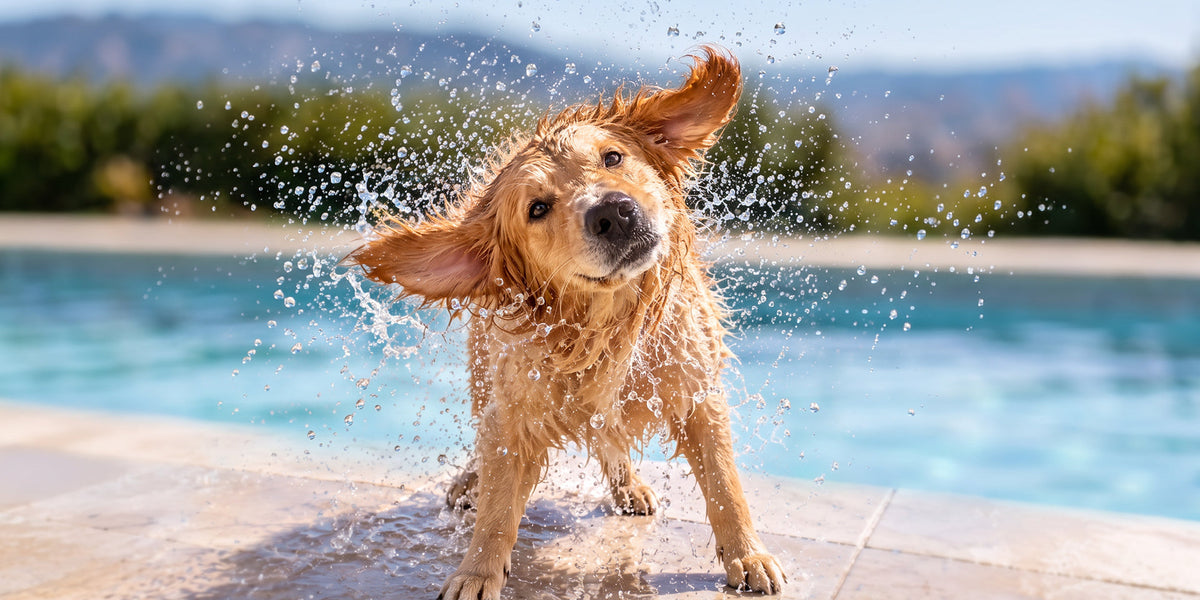
For pet content, a low camera can bring viewers closer to the animal's world instead of always filming from human height.
For cooking or DIY, a fixed side angle can complement chest POV without requiring another person to hold the camera.
When fixed POV works best
Choose fixed or low POV when:
The unusual perspective itself is what makes the shot interesting.
One thing to watch
Placement matters.
The camera should always be stable and positioned safely. Around pets, use supervised placements and never block normal movement or encourage an animal to interact with the device if it appears uncomfortable.
Chest POV vs Hat POV vs Fixed POV: Quick Guide
|
POV Angle
|
Best For
|
What the Viewer Feels
|
|
Chest POV
|
Cooking, pets, fishing, DIY, hands-on activities
|
“I’m doing this with you.”
|
|
Hat POV
|
Hiking, travel, cycling, walking
|
“I’m seeing what you see.”
|
|
Fixed / Low POV
|
Pets, creative shots, RC, cooking, sports
|
“I’ve never seen it from here before.”
|
A simple rule:
If your hands are the story → Chest POV
Where you are looking is the story → Hat POV
If the perspective is the story → Fixed or Low POV
The Best POV Videos Often Use More Than One Angle
You do not have to choose one POV for the entire video.
A short travel or outdoor vlog might be used:
Hat POV for walking the trail→ Chest POV while setting up camp→ Fixed POV while cooking→ Traditional shot for the final scenery
A pet video might be used:
Chest POV during playtime→ Low POV for the pet running toward camera→ Close fixed angle for a curious nose or paw
Changing perspective helps the video feel intentional without requiring a large camera setup.
Where Xtra ATTO Fits
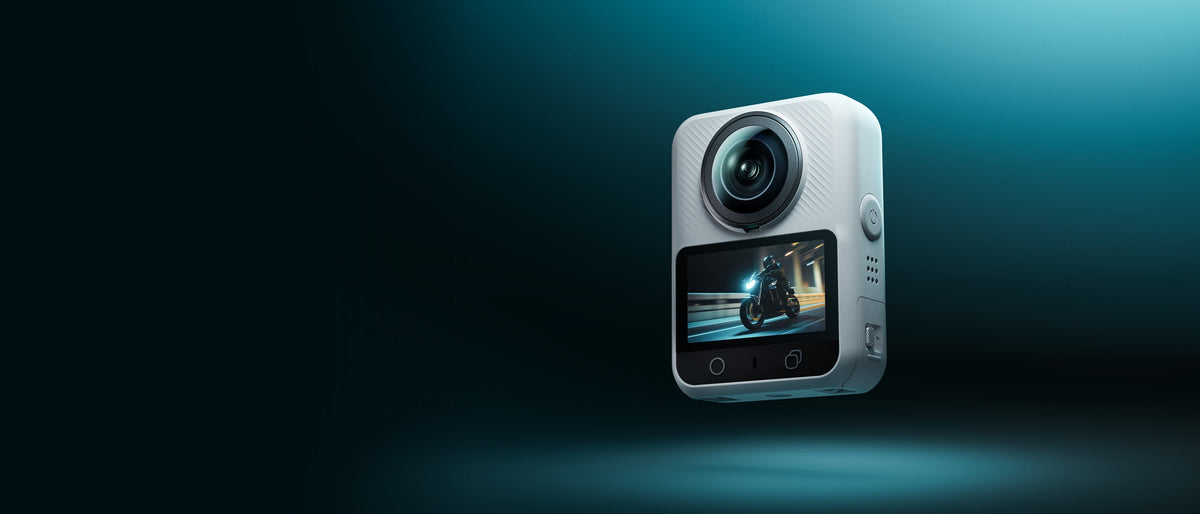
Xtra ATTO is designed around this kind of flexible wearable POV camera workflow.
Its 54g camera body can be used with different magnetic mounting options, including the Magnetic Lanyard, Magnetic Hat Clip, and Dual-Direction Magnetic Ball-Joint Adapter Mount.
That makes it possible to move between:
Chest POV → Hat POV → Fixed POV
without changing the camera itself.
ATTO also records up to 4K/60fps with a 143° wide field of view, helping capture both the subject and more of the environment around it.
The important idea is not that one mount is always better.
It is having the flexibility to choose the perspective that fits the moment.
Which POV Angle Should You Use?
Start with the story, not the mount.
If viewers need to understand what your hands are doing, use chest POV.
If you want them to experience where you are going, try that POV.
If you want to show something from a perspective they normally would not see, place the camera somewhere safe and experiment with a fixed or low POV.
That is one of the biggest advantages of a small wearable camera:
You are not limited to filming life from the same height and angle as your phone.
Sometimes the most memorable footage comes from simply asking:
“What would this moment look like from somewhere different?”

Leave a comment
This site is protected by hCaptcha and the hCaptcha Privacy Policy and Terms of Service apply.