

MUSE VS. POCKET 3 / FIRST-TIME BUYERS
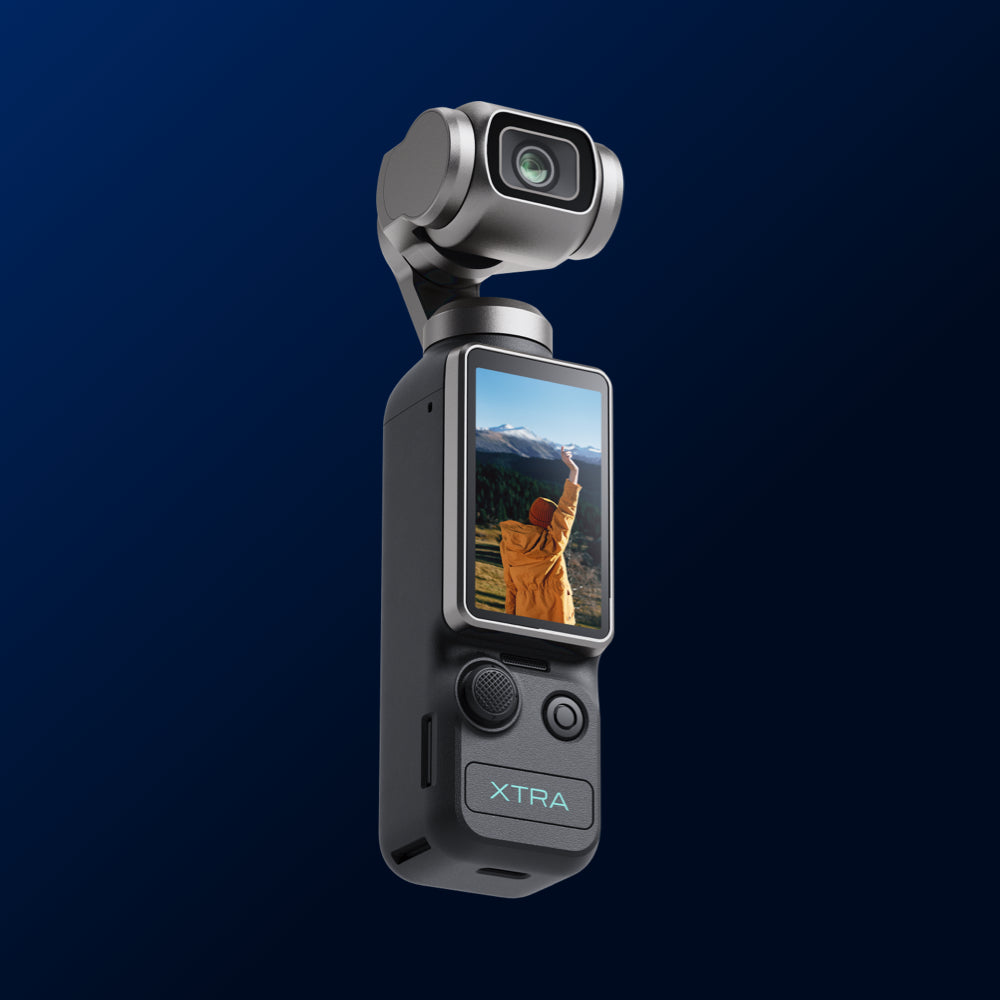
XTRA Muse and DJI Osmo Pocket 3 both belong on a beginner's pocket-gimbal-camera shortlist. At the U.S. prices checked September 9, 2026, Muse camera-only was $329 at the XTRA Store and Pocket 3 was $439 at B&H. Muse's lower starting price leaves more of a $500 budget for the rest of your setup. The right purchase also depends on the bundle, app, accessories, and support you need.
By XTRA Editorial Team. Updated September 9, 2026. XTRA makes Muse. This comparison uses official specifications, documentation, and a retailer price check; it does not claim that we tested both cameras side by side. It compares the original Muse with Osmo Pocket 3.
Compare the features you will use first
| Buying question | XTRA Muse | DJI Osmo Pocket 3 |
|---|---|---|
| Checked starting price | $329, camera-only, XTRA Store | $439, Gimbal Camera Only selection, B&H |
| Camera format | Pocket camera with a three-axis mechanical gimbal | Pocket camera with a three-axis mechanical gimbal |
| Sensor | 1-inch CMOS | 1-inch CMOS |
| Normal horizontal video | Up to 4K/60fps | Up to 4K/60fps |
| 4K slow motion | Up to 120fps | Up to 120fps |
| Subject tracking | Master Follow | ActiveTrack 6.0 |
| Companion app | Xtra | DJI Mimo |
| Waterproof? | No | No |
Feature sources: XTRA Muse overview, Muse product FAQ, DJI specifications, and DJI FAQ. Recording modes have different resolution and frame-rate options; a horizontal 4K specification should not be read as a promise that every vertical mode is also 4K.
How much of a $500 budget does each leave?
The Muse camera-only listing showed $329. The B&H Pocket 3 page showed $439 and an In Stock label. These are page observations from September 9, not delivery promises or completed checkout totals.
Subtracting those prices from $500 leaves $171 for Muse or $61 for Pocket 3. That is a $110 difference in starting prices. Storage, accessories, applicable tax, and delivery can change the final comparison. B&H also displayed an included promotional item; inspect the current offer and exact included item before comparing complete kits.
If you mainly want a camera for ordinary travel clips, preserving room in the budget is a reasonable reason to consider Muse. If a Pocket 3 bundle includes something you were already going to buy, compare that delivered kit against the equivalent Muse setup. Our Muse starter-kit budget guide explains the calculation.
Which one is easier for a complete beginner?
Published specifications cannot establish which menu you will find easier. Before buying, watch a first-use demonstration for each camera and follow the same four tasks: start recording, switch to a selfie, follow a person, and copy a clip to your phone. Notice the steps you would need help with.
Muse has an official app, manual, and tutorial hub. DJI's Pocket 3 FAQ documents activation through DJI Mimo. Check the current app requirements against your own phone. Plan time for initial setup and updates before a trip rather than discovering those steps at the airport.
Do the matching specifications mean matching footage?
No. Sensor size and recording modes describe capabilities, not the complete look of a video. Exposure choices, processing, focus behavior, light, and movement can all affect a shot. This guide does not rank low-light image quality, tracking accuracy, or stabilization performance because it does not contain a controlled comparative test.
When watching reviews, look for ordinary walking clips and speech recorded in conditions similar to yours. Check whether each clip was edited, whether the settings match, and whether the reviewer identifies the firmware used. A short, clearly explained example is more useful than an unsupported claim that two cameras are identical.
Check microphones and accessories by exact model
Already own a microphone? Verify the connection method before letting that purchase decide your camera. XTRA's microphone compatibility chart lists DJI Mic 2 and Mic Mini Bluetooth support for Muse and calls for updated firmware. DJI also documents direct Mic 2 and Mic Mini linking for Pocket 3 in its FAQ.
Compatibility with one microphone does not establish compatibility with every microphone, handle, filter, or mount from the same brand. Check the specific accessory and whether it needs a receiver or adapter. For your first recordings, try the built-in microphones in a quiet setting before choosing additional audio equipment.
When each option deserves your attention
- Consider Muse when you want a pocket gimbal camera and the lower checked starting price helps you build a complete kit within your budget.
- Consider Pocket 3 when you already have a verified compatible setup, prefer its documented workflow, or find a complete offer that better matches your needs.
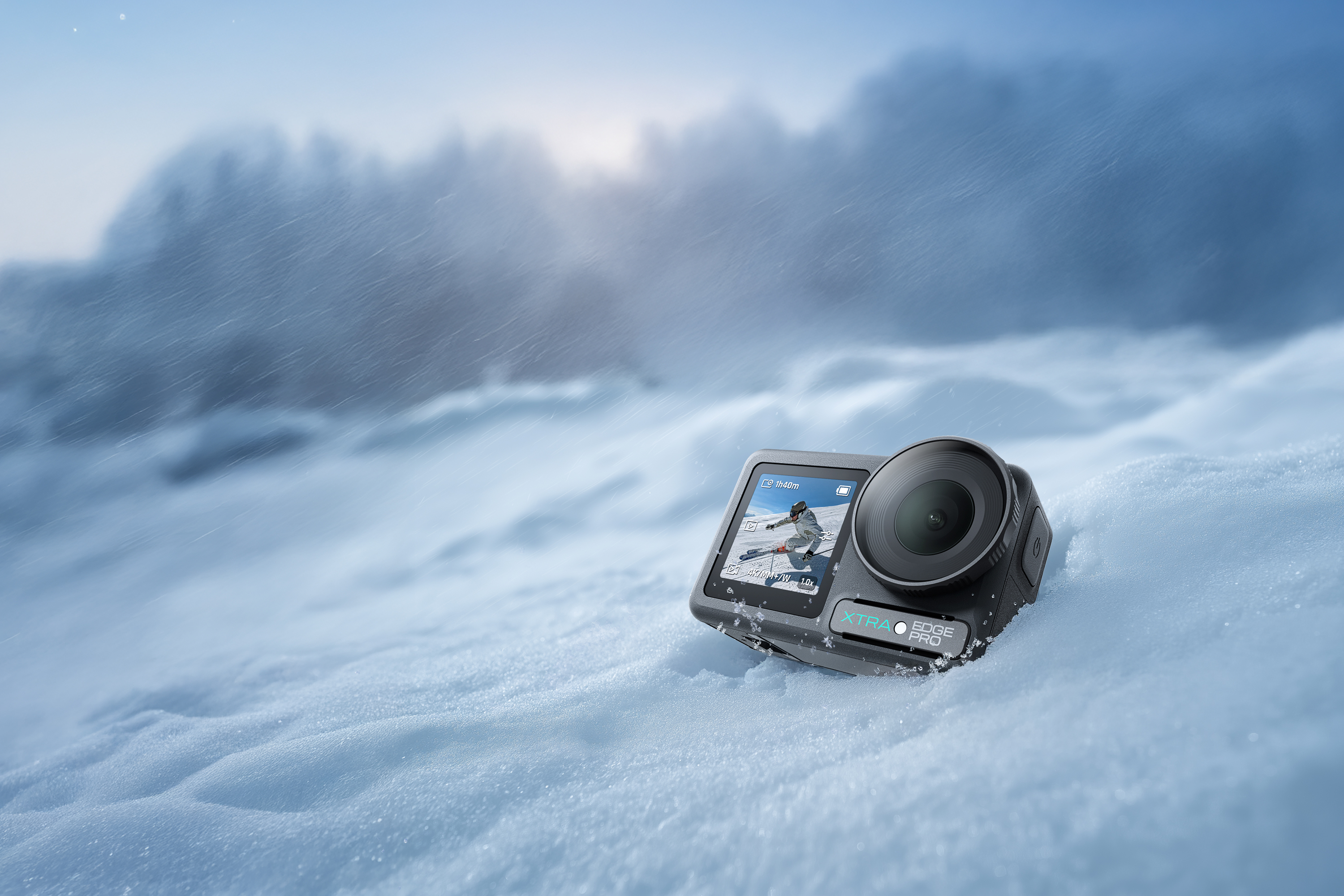
- Choose a different camera type when waterproof use, a mounted sports setup, or a long lens is essential. Neither of these pocket gimbal cameras is waterproof.
Read the purchase and after-sales terms for the seller you choose. Compare return eligibility, warranty coverage, and support contacts directly. Brand familiarity alone does not tell you which terms apply to a particular listing.
Frequently asked questions
Is Muse simply the same camera under another name?
Matching headline features do not establish identical hardware, software, compatibility, or support. Treat Muse and Pocket 3 as separate purchases and verify the capabilities that matter to you.
Does 4K/120fps mean I should use it for every vlog?
No. Here, 120fps is a slow-motion capability. For ordinary talking and travel clips, begin with regular Video mode and a frame rate suited to the project. You do not need to film everything in slow motion.
Which should I buy if I have never used either?
Start with your total budget, intended scenes, and the four setup tasks above. Muse is worth considering when its price and workflow fit those needs; a hands-on demonstration will help you assess the controls before committing.
Choose your first camera · Build a Muse starter kit · See Muse's first-day workflow

Leave a comment
This site is protected by hCaptcha and the hCaptcha Privacy Policy and Terms of Service apply.